SEARCH SITE BY TYPING (ESC TO CLOSE)

00.00

ORDER LIST

Skip to Content

Terroir

Poggio di Bortolone, which is close to the town of Chiaramonte Gulfi in the province of Ragusa in the South Eastern of Sicily, is located in the hilly area that exactly between the Hyblaean Mountains and the plains of Gela in the heart of the historic production region of Cerasuolo Vittoria Classico DOCG.

It stretches over 60 acres in a series of hills and valley floors criss-crossed for centuries by vineyards and dotted with olive trees. This creates a unique and romantic landscape which is further enhanced by two rivers – the Para Para and the Mazzarronello that create a series of loops around a natural oasis where untouched, lush Mediterranean vegetation abounds including oak, carob and poplars as well as reeds which provide a refuge for all kinds of wildlife such as foxes, porcupines and rabbits.

Characteristics of the Region

0
Hectares
0
Average annual temperature
0
Rainfall mm
0
Altitude meters

The Soil

The ground slopes gently down to a series of dams and terraces seeked out over the ages by patient and clever farmers. The land lies between 220 and 270 metres above sea level.

Sandy soils which ranges in colour from yellow-ochre to reddish-brown depending on the iron content. The sub-soil is deep but has low water retention qualities which reduces the number of bunches of grapes per vine to intensify the overall quality of the fruit.

Our Vineyards

Extrardinary grape

Nero d’Avola

Extrardinary grape

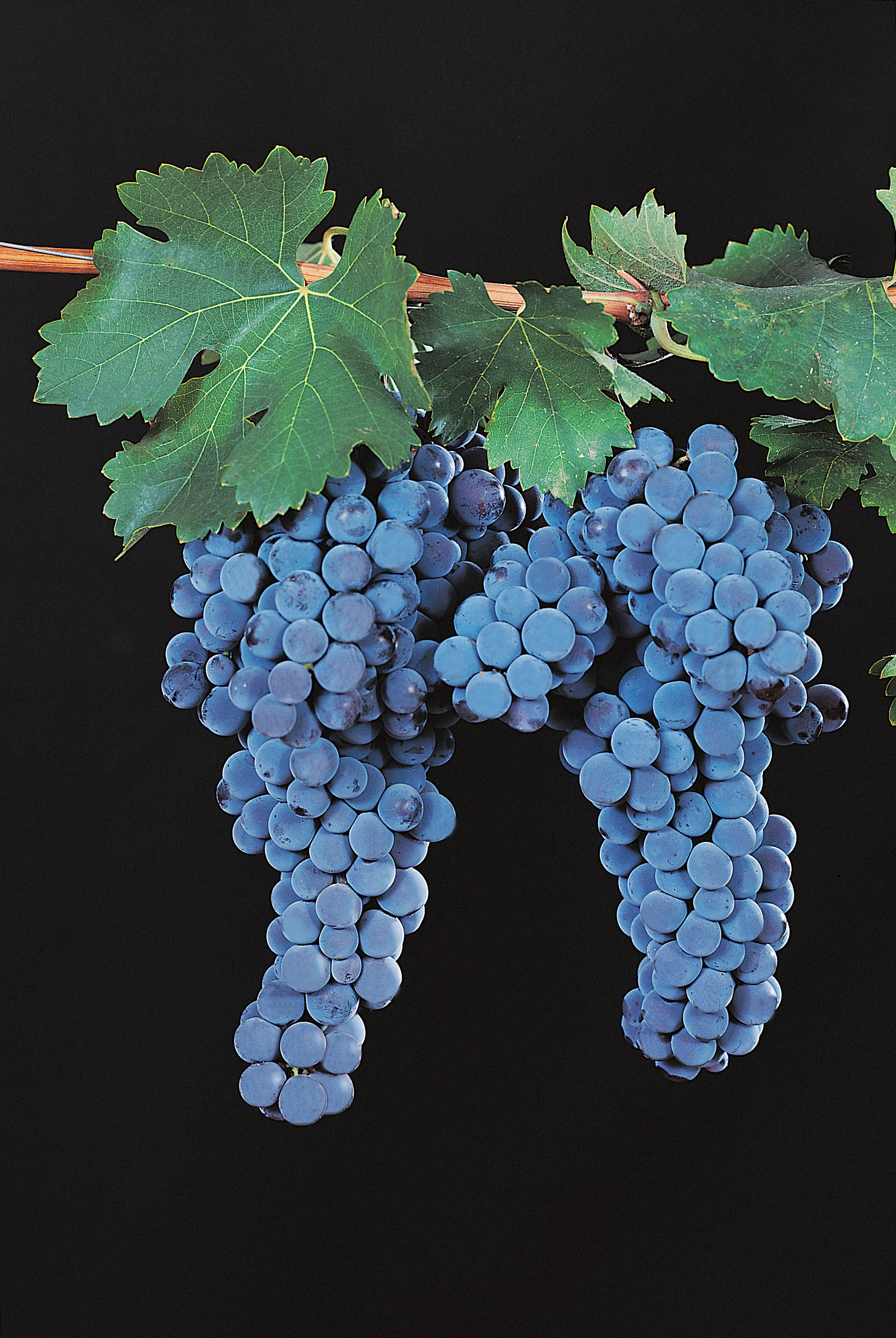
This vine is native to Sicily and is also known in Sicilian dialect a Calavrisi or Calaulis which derives from the Sicilian word “Calea” meaning grapes and Aulisi which is the original name for the town of Avola (from which Nero d’Avola derives). Although it is now grown all over the island, it is best suited to the loose and sandy soil structure of South-East Sicily, especially in the area of Vittoria (RG) where it is blended together with Frappato to produce Cerasuolo di Vittoria D.O.C.G., which is noted for its density and ageing qualities. The wines are full-bodied, perfect levels of tannin their delicate hints of red berries.

Fresh and velvet

Frappato

Fresh and velvet

Frappato of Victoria is a native cultivar of south-eastern Sicily and of uncertain origin. It is possible that it was introduced by Spanish. as it is mentioned by Sestini in his memoirs of circa 1760 when desctibing the wines of Victoria. It is found mainly in the province of Ragusa and Siracusa and is generally blended with Nero d’Avola. It is not widespread in other Sicilian provinces. The grapes produce an excellent light but bright ruby-red wine with fruity and floral overtones. It is medium bodied with well balanced tannins, fresh tasting and soft – totally in harmony. Traditionally in the area of ​​Vittoria it is blended with Nero d’Avola to produce Cerasuolo di Vittoria DOCG which is characterised by its typical notes of cherry and red berries.

The protection of a native variety

Grosso Nero

The protection of a native variety

The Grosso Nero grape is a native variety of south-eastern Sicily and is suitable as a table grape thanks to the size of its bunches and grapes, which make it less suitable for making wine. In the past it competed alongside Nero d’Avola and Frappato to produce the blended Cerasuolo. Today this is no longer possible and so it use is less widespread. However, the Poggio di Bortolone Estate owns some strains in order to protect from extinction due to the decline in cultivation.

Spicy notes

Syrah

Spicy notes

This grape is thought to have originated in the Middle East based on the name of the Persian city of Shiraz or possibly Syracusa where newly identified strains have been found.The Syrah grape is ideally suited to Sicily’s excellent climatic conditions which has earned it a place of honour amongst the elite of the Sicilian wines. It is characterised by high concentration, softness, density of tannins and is often enhanced by the skilful use of the ageing properties of wood casks. It is renowned for its spicy taste, hints of wild berries (especially blackberries and plums).

Very colorfull wines

Cabernet sauvignon

Very colorfull wines

This typical grape of Bordeaux dating back to the seventeenth century is now cultivated in many Italian wine regions, based on recent botanical studies it has been suggested that the parents of Cabernet sauvignon might be the Sauvignon Blanc and Cabernet Franc. In Sicily it is perfectly acclimatised, and thanks to the dry and hot summers can produce very colourful wines characterised by hints of pepper, good acidity and structure and a high levels of tannin all of which makes this wine particularly suitable for ageing.

Intensive and velvet tannins

Petit Verdot

Intensive and velvet tannins

The Petit Verdot is a grape variety native to the area of the Médoc in France. It was introduced to the Poggio di Bortolone Estate via an experimental research project in the mid 1990’s. The characteristics for which Petit Verdot is renowned require time to mature, the best results are achieved in areas with warm, very sunny, steady winds and minimal rain during the growing stages. The wine is ruby in colour, bestows intense fruity, floral and spicy flavours, and yet has soft and velvety tannins which enhance the grapes unique qualities.

Nero d’Avola
Extrardinary grape

This vine is native to Sicily and is also known in Sicilian dialect a Calavrisi or Calaulis which derives from the Sicilian word “Calea” meaning grapes and Aulisi which is the original name for the town of Avola (from which Nero d’Avola derives). Although it is now grown all over the island, it is best suited to the loose and sandy soil structure of South-East Sicily, especially in the area of Vittoria (RG) where it is blended together with Frappato to produce Cerasuolo di Vittoria D.O.C.G., which is noted for its density and ageing qualities. The wines are full-bodied, perfect levels of tannin their delicate hints of red berries.

Frappato
Fresh and velvet

Frappato of Victoria is a native cultivar of south-eastern Sicily and of uncertain origin. It is possible that it was introduced by Spanish. as it is mentioned by Sestini in his memoirs of circa 1760 when desctibing the wines of Victoria. It is found mainly in the province of Ragusa and Siracusa and is generally blended with Nero d’Avola. It is not widespread in other Sicilian provinces. The grapes produce an excellent light but bright ruby-red wine with fruity and floral overtones. It is medium bodied with well balanced tannins, fresh tasting and soft – totally in harmony. Traditionally in the area of ​​Vittoria it is blended with Nero d’Avola to produce Cerasuolo di Vittoria DOCG which is characterised by its typical notes of cherry and red berries.

Grosso Nero

The protection of a native variety

The Grosso Nero grape is a native variety of south-eastern Sicily and is suitable as a table grape thanks to the size of its bunches and grapes, which make it less suitable for making wine. In the past it competed alongside Nero d’Avola and Frappato to produce the blended Cerasuolo. Today this is no longer possible and so it use is less widespread. However, the Poggio di Bortolone Estate owns some strains in order to protect from extinction due to the decline in cultivation.

Syrah

Spicy notes

This grape is thought to have originated in the Middle East based on the name of the Persian city of Shiraz or possibly Syracusa where newly identified strains have been found.The Syrah grape is ideally suited to Sicily’s excellent climatic conditions which has earned it a place of honour amongst the elite of the Sicilian wines. It is characterised by high concentration, softness, density of tannins and is often enhanced by the skilful use of the ageing properties of wood casks. It is renowned for its spicy taste, hints of wild berries (especially blackberries and plums).

Cabernet sauvignon

Very colorfull wines

This typical grape of Bordeaux dating back to the seventeenth century is now cultivated in many Italian wine regions, based on recent botanical studies it has been suggested that the parents of Cabernet sauvignon might be the Sauvignon Blanc and Cabernet Franc. In Sicily it is perfectly acclimatised, and thanks to the dry and hot summers can produce very colourful wines characterised by hints of pepper, good acidity and structure and a high levels of tannin all of which makes this wine particularly suitable for ageing.

Petit Verdot

Intensive and velvet tannins

The Petit Verdot is a grape variety native to the area of the Médoc in France. It was introduced to the Poggio di Bortolone Estate via an experimental research project in the mid 1990’s. The characteristics for which Petit Verdot is renowned require time to mature, the best results are achieved in areas with warm, very sunny, steady winds and minimal rain during the growing stages. The wine is ruby in colour, bestows intense fruity, floral and spicy flavours, and yet has soft and velvety tannins which enhance the grapes unique qualities.

Carbon footprint certification, know us climate footprint, is a environmental indicator that measure the quantity greenhouse gasses generated by the activity of the farming estate whose reduction resulted in an improvement of the energy efficiency, of the resources.

Sustainability

For us the sustainability is the care to the preservation and to thee aware use of resources,a global approach to the production and transformation of grapes and olives,an oenological practice sensitive to the ecosystem and careful to the environmental conservation,the high quality and the safety product but also to valorise historical ,culturaland and landscaped contexts.It’s a direction and a purpose for our future and next generation.

Restructuring of historical business structures with special focus to the rural origin of the place.

Protection and preservation of natural oases then torrents forms in their loops,where grows up a flourishing Mediterranean scrub consisting of holms, oaks,carob trees,poplars and reeds,where take refuge foxes,porcupines,rabbits and other wild fauna.

Use of light bottles and recyclable packaging,because we don’t sell glass but wine.

We do integrated agriculture applying rules for controllig of plant diseases.

Winter grassing to prevent the soil erosion,enriching it of nutrients with green manure of leguminous plants.

Soil analysis to preserve the fertility.Water reuse thanks to our Phito-Purifier.

Share the pleasure, culture and art of wine

Prenota una visita
to-topto-top